故事讲述在美国东北部一个小镇的农场,一个怀抱音乐理想的男孩,在追求爱情与理想的道路上历经的艰辛。男主人公曾被迫接受性向矫正治疗,在另一个男孩爱情的感召下,他终于有勇气面对内心最深处的渴望。但是,他们的爱情面临着来自亲情的最大挑战,同性恋的儿子如何面对来自父亲的诘问?又如何面对追求他 的姑娘?这一场爱情与亲情,理想与现实之间的博弈最终迎来怎样的结局呢?……
在乍得的恩贾梅纳郊区,Amina和她15岁的独生女Maria独居在一起。她本已脆弱的世界,在她发现女儿怀孕的那天分崩离析。对方少年并不想要这个孩子。在一个堕胎不仅受到宗教谴责,而且会受到法律谴责的国家,Amina发现自己面临着一场似乎提前失败的斗争......
强迫性的心理学家试图让她的潜意识,但当她的行为变得越来越不寻常的她担心她实验是危险的失控。
该片 以“化妆”和“火葬”两个不同的题材,讲 述了夹在两个女人之间的一个中年男 子的故事,改编自2004年金勋作家的 原作小说,由演员安圣基主演。
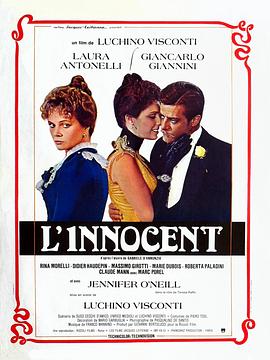
图里奥公爵(吉安卡罗·吉安尼尼 Giancarlo Giannini 饰)迎娶了美丽的妻子秋丽安娜(劳拉·安托妮莉 Laura Antonelli 饰),虽然家有娇妻,但是天性好色的图里奥公爵还是整日在外面沾花惹草,这让年轻的秋丽安娜感到非常的寂寞。 随着时间的推移,秋丽安娜渐渐无法忍受这样压抑的生活,一次偶然中,她邂逅了一位名叫达博里奥(马克·波雷尔 Marc Porel饰)的男子。达博里奥是一位贫穷的作家,虽然身无分文,但是他的才华深深的吸引了秋丽安娜,两人渐渐走到了一起。最终,这段背德的感情被图里奥公爵所知晓,然而最让他感到愤怒的并非妻子对自己的不忠,而是达博里奥低贱的身份。
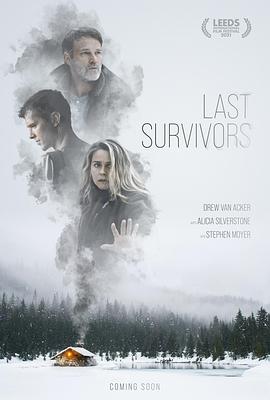
The pic is set in the aftermath of an apocalyptic event that forces people into extreme isolation. A father (Moyer) and son (Van Acker), who have been living off grid for 20 years, encounter an outsider (Silverstone) who threatens to destroy the utopia they’ve built.
可怕的外星能量体被重新激活并制造了多起祸端,被攻击的对象无一例外都是热搜上的“话题人物”。原来外星能量体能够吸收愤恨情绪,从而侵蚀并操控人的意识,攻击被网络暴力的对象。“超凡追击者”世代维持着外星能量体的平衡,传到久条这一代,尽管他研发了很多新型科技武器,却也无法制服外星能量体。一次危机关头,功夫少女潇越出手相救让久条折服。潇越出身武术世家,为了实现梦想特地来此参加歌舞比赛,久条邀请她加入“超凡追击者”的战队。善良的潇越同久条与外星能量体展开了殊死搏斗,潇越也面临着梦想与责任的艰难抉择。最后关头久条为了给潇越制造反击而牺牲,潇越成为了新的“超凡追击者”带着正义与希望继续前行。
哨声中,731部队本部在广场上集合,参谋官宣布全体紧急撤退,离去前要销毁一切731的秘密及痕迹。试验室中,伊东在毁坏细菌温床时,划破手而被感染。秋山扶着他跟其他人一样上了唯一逃亡的列车,在开动着的列车内伊东及女医官司都病重,细菌不断在扩散,引起一片惊慌,这列车已成为死亡列车了。
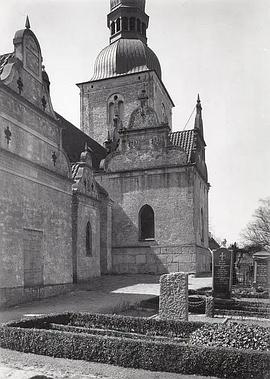
The history of Danish country church architecture is told by showing scenes of how the church was used by the congregation, beginning with the celebration of mass in a small and simple wooden church 800 years ago, and ending with the congregation singing in a village church of to-day. The development and the growth of the pattern of church architecture is shown. Dreyer in this film shows a series of churches from different periods with churchgoers in period clothing. Each period is separated by a shot of a church bell double-exposed on the sky. Although the film has a vibrant and instructive way of communicating the different epochs and styles to students, it does not exhibit the artistic quality that usually distinguishes a Dreyer film, except perhaps in some of the costumes, which were originally made for Day of Wrath. The board of Dansk Kulturfilm in autumn 1945 decided that their planned church film would exclusively be about village churches. Dreyer would rework the script that was written by editor and folk high-school principal Bernhard Jensen, aided by a committee of experts consisting of architect H. Lønborg-Jensen and Victor Hermansen, curator at the National Museum of Denmark. Dreyer had a first draft ready in mid-March, entitled Kirken er et gammelt Hus ("The Church Is an Old House"), which was distributed to the members of the committee for their comments. In the last half of July, Dreyer and Victor Hermansen travelled the country to look at suitable churches. They researched the details and at Dreyer’s request a number of technical changes were made to the churches, including the removal of porcelain holders for electrical wiring in Tveje Merløse Church. On 4 July, Dreyer went in advance to Ringkøbing. Shooting was set to start a few days later with the arrival of the director of photography, Preben Frank, who had fallen off a ladder and broken his leg, Fortunately, he was ready to cautiously start working again within a few days, with his leg in a cast. Otherwise, the production went without a glitch. Everywhere, Dreyer said, they were well received at the vicarages and they had no problem getting enough extras. On 1 august, they returned to Copenhagen with almost all their footage in the can. They only needed to film the church in Skelby, where the weather had been against them, plus a Swedish wooden church in Hedared. The economy was distressed so soon after the war, especially when it came to foreign currency, but there were no real wooden churches left in Denmark and building an interior set in the studio would be too expensive. The finished film was shown for the first time on 24 September 1947 to a small, closed circle, which included the Minister for Ecclesiastical Affairs. In December 1947, as was Dansk Kulturfilm’s standard practice, the film was presented to the press, politicians and others on a programme with four other short films.
When Troy Holloway wakes up to find himself trapped aboard a drifting escape pod shooting towards the Sun he quickly realises the true terror of his situation. With rapid oxygen depletion and a burn- up rate of 90 minutes, Commander Roberts leads a rescue party to save Holloway before time runs out. Having recently lost his son and now confronted by his immediate end, Holloway feels less enthusiastic about survival. But Roberts, speaking to him only through a weak radio transmission, is determined to save his life, and both soon learn that the lives they have both lived influence each other in unexpected ways.